Five guides · Guide 4 of 5
Guide 4 · Green wasteLawn clippings and green waste
Queensland lists garden waste among commonly dumped items and counts items left on the footpath outside collection days as illegal dumping, and in South Australia councils deal with lawn clippings and other plant matter disposed of as litter. Burning it has rules of its own in each state, and in all council areas in the Sydney, Wollongong and Newcastle regions, burning vegetation in the open is generally prohibited at all times.
General information, not legal advice. Each rule below is the named state’s or territory’s own; your council may add local rules, and the official pages are listed at the foot of this page.
When clippings become dumping
Queensland
The Queensland Government defines illegal dumping as “the unlawful deposit of any type of waste material that is 200 litres or more in volume (about the volume of a wheelie bin), and penalties apply”. Its list of commonly dumped items starts with “household rubbish and garden waste” and goes on to household goods, building waste, and tyres, chemical drums and paint tins, among others on the full list.
The footpath counts too. “Leaving items on the footpath (outside of organised collection days) or outside a charity bin or shop is also classed as illegal dumping.” Deposits of more than 2,500 litres attract higher penalties. Dumped waste can also “introduce pests and weeds into our natural areas, block waterways and roads, cause flooding (by blocked drains)”. Illegal dumping can be reported online if it came from a vehicle or vessel, to the council, or by email.
South Australia
EPA South Australia names the council as the body for litter such as “garden and landscaping waste, lawn clippings and other plant matter”. Its examples of neighbourhood nuisance that councils manage also include excessive or stockpiled rubbish, “including waste and vegetation”.
New South Wales
On its page about the 10/50 vegetation clearing rules, the NSW Rural Fire Service reminds readers “that it is against the law to illegally dump any vegetation.”
For Victoria, Western Australia, Tasmania, the ACT and the Northern Territory, this guide holds no official rule on dumping garden waste.
Clippings taken away
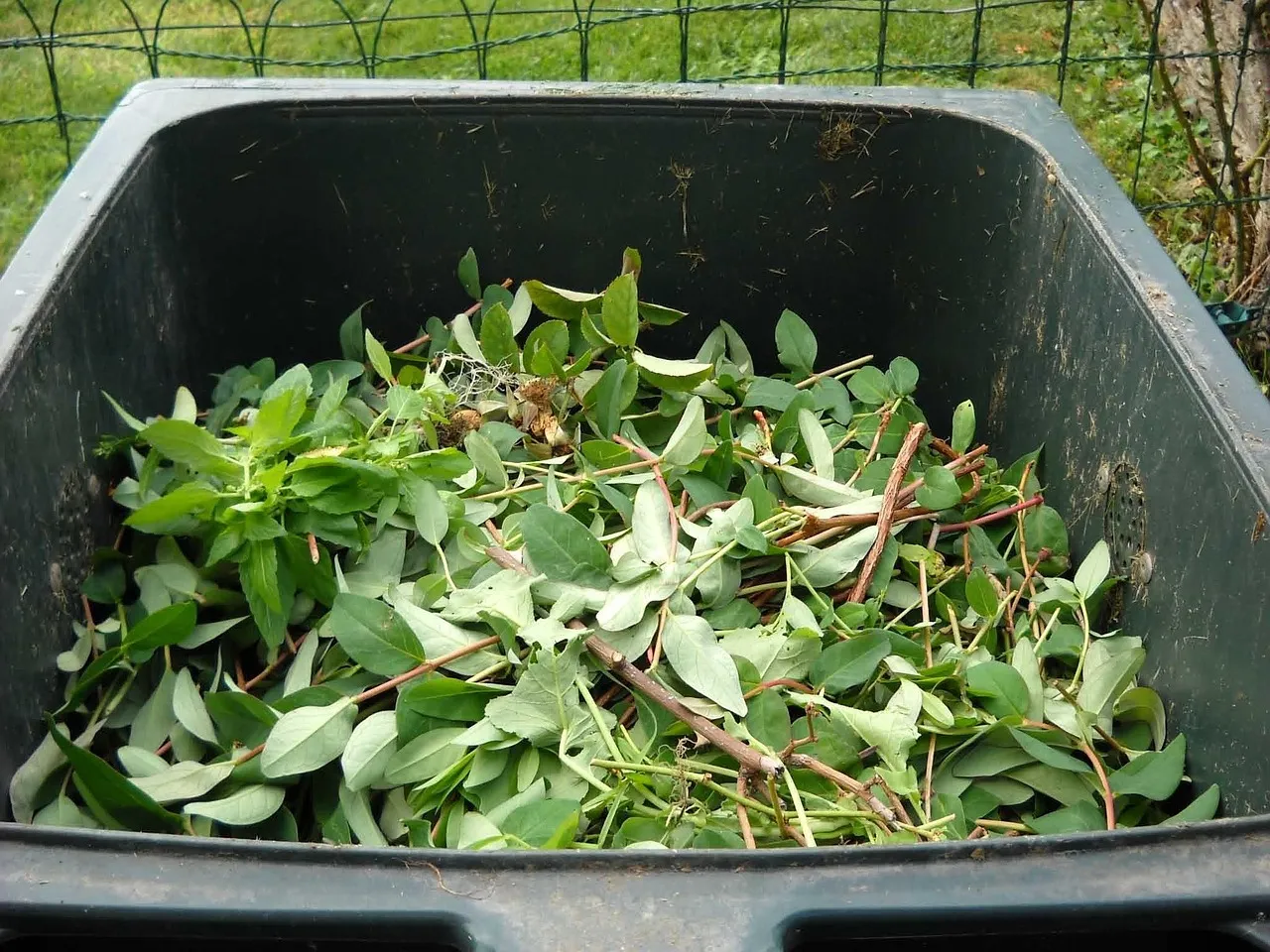
If a lawn service takes the clippings away, Queensland’s advice for anyone using a waste collection service fits the case: “keep contact/vehicle details and ask for a copy of a tip receipt or other proof of lawful disposal to ensure your items are not just being illegally dumped!” That is advice, not a legal duty.
Burning garden waste, state by state
Each rule below is that state’s own. Several of the official pages also point to council rules on top, so the council is worth checking too.
| State | The rule for burning garden waste |
|---|---|
| NSW | Under the Clean Air Regulation, what you may burn depends on which part of its Schedule 1 your council area is listed in:
EPA no-burn notices and Rural Fire Service Total Fire Bans override all of these unless the notice includes an exemption. A fire permit from Fire and Rescue NSW or the Rural Fire Service may also be needed. |
| SA | Burning in the open, including in a domestic incinerator, is managed by your council under the Local Nuisance and Litter Control Act 2016 and the Air Quality Policy. During the Fire Danger Season, the CFS says burning rubbish or vegetation clippings needs a Schedule 9 permit from your council. On a Total Fire Ban day, the CFS’s answer to burning rubbish or grass clippings is no, and the lighting of incinerators is banned. Some councils have totally prohibited incinerators and open fires for waste disposal on domestic premises. |
| QLD | Under the Fire Services Act 1990, it is illegal to light a fire outdoors without a Permit to Light Fire from a fire warden or another notification issued by the Commissioner. No permit is needed for certain fires, including those smaller than 2 metres tall and 2 metres wide (which does not mean several small fires), fires at a sawmill to burn sawdust, fires enclosed in a fireplace for cooking or warmth, and cane fires that follow the requirements. A council may also have a local law restricting or banning fires, and then you need its written permission. Permits in Queensland are free. |
| VIC | On Total Fire Ban days, CFA bans every open-air fire lit to burn off grass, scrub, stubble or rubbish. |
| NT | For a permit to burn in a fire protection zone, one of the conditions is not to burn household waste, green waste excepted; the full list of conditions is on the NT Government’s page. |
| TAS | Local government uses the Smoke Regulations to regulate domestic wood smoke. Tasmania Fire Service says any use of fire, at any time, is subject to environmental regulations and council by-laws, as well as restrictions in parks and reserves. |
| WA | Not covered here. |
| ACT | Not covered here. |
In South Australia, smoke and odour from backyard burning is also one of the neighbourhood nuisances councils manage.
Clippings, fire danger and the mower
In South Australia the burning rules change in the Fire Danger Season, and the same kind of season changes what the rules say about the mower itself: mowing on fire-danger days sets that out for Victoria, South Australia and Western Australia. When the mower may be heard at all is in the mowing noise guide.